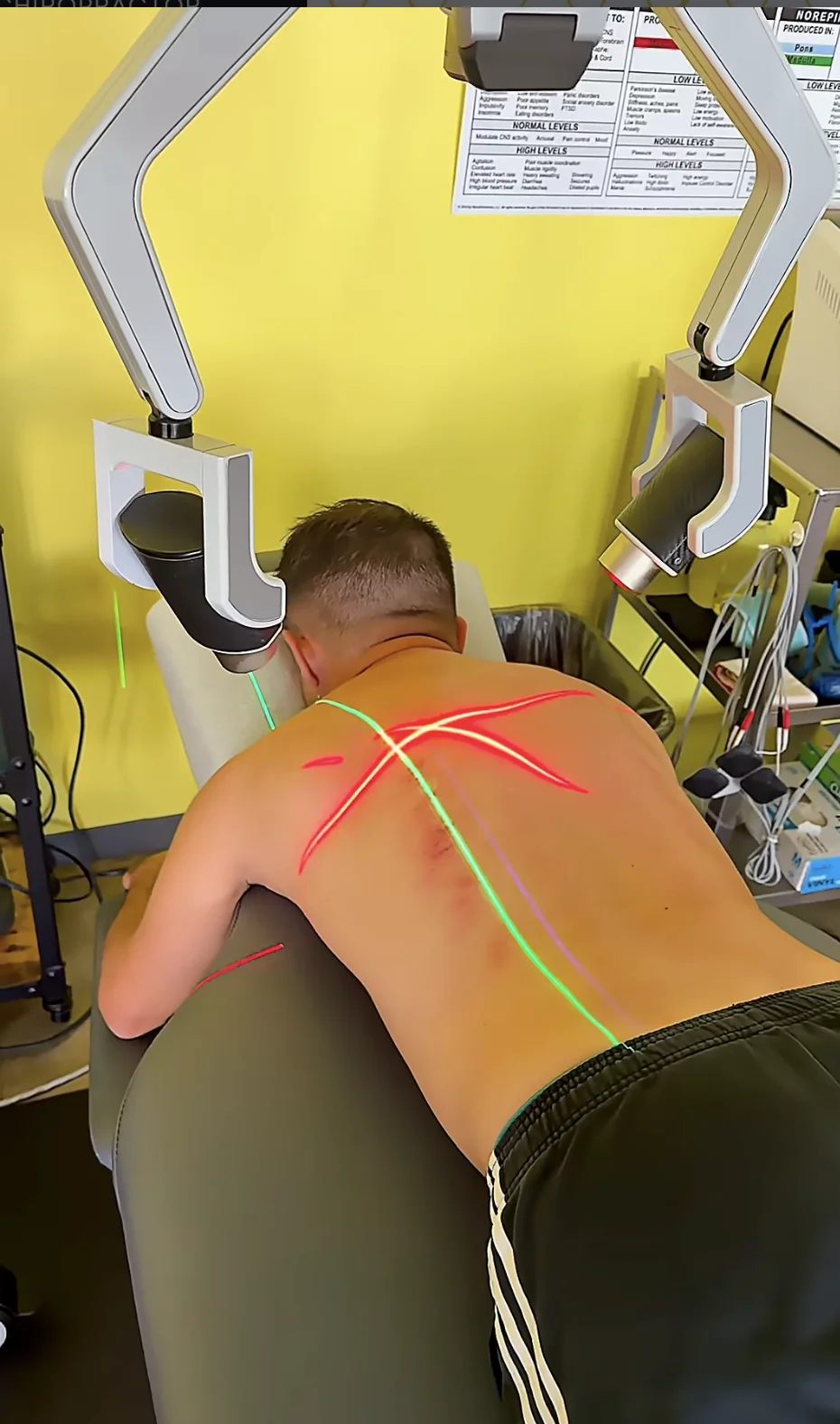
Cold laser therapy — also called low-level laser therapy (LLLT) — is one of the most requested treatments at our office, and also one of the most misunderstood. Patients often expect it to feel dramatic. In reality, it's quiet, painless, and that's exactly the point.
What's Actually Happening
The Erchonia laser delivers specific wavelengths of light into the tissue without generating heat. That light energy is absorbed by cells and used to support the mitochondria — the part of the cell responsible for energy production — which is thought to help speed the body's natural repair process.
What It Feels Like
Most patients describe a mild, comfortable warmth or nothing at all during the session. There's no cutting, no needles, and no recovery time — you can go straight back to your day afterward.
What It's Typically Used For
We use laser therapy most often for inflammation, muscle strain, joint pain, and as a complement to chiropractic adjustments for conditions like tendonitis or nagging shoulder and knee pain that hasn't responded to rest alone.
How It Fits Into a Treatment Plan
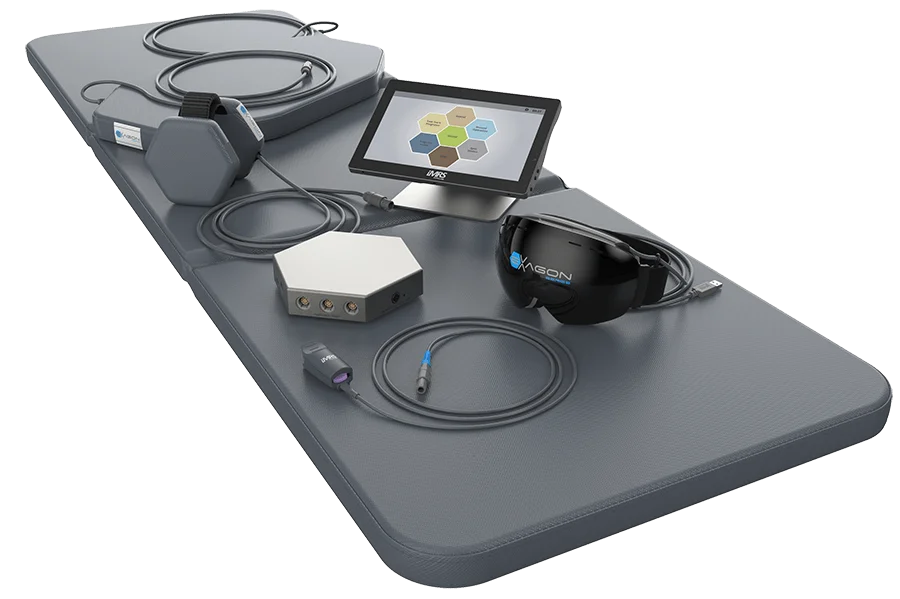
Laser therapy is rarely a stand-alone treatment. It's typically paired with adjustments, soft-tissue work, or the PEMF mat as part of a broader plan, and most patients notice the best results with a short series of sessions rather than a single visit.
How It Compares to Other Modalities
Unlike heat or ice, which mainly change blood flow at the surface, low-level laser therapy delivers light energy that penetrates into the tissue itself without generating heat. It's also different from therapeutic ultrasound, which uses sound waves rather than light to stimulate tissue. Many patients use cold laser alongside these other tools rather than as a replacement — each modality has a slightly different role in a recovery plan.
What a Typical Recovery Timeline Looks Like
Recovery timelines vary widely depending on the condition being treated. Acute strains or recent inflammation often respond within a handful of sessions, while chronic, longer-standing issues — like ongoing tendinitis — generally take a more extended series to see meaningful change. As with most conservative therapies, consistency tends to matter more than any single session.
Is Cold Laser Therapy Backed by Research?
Low-level laser therapy has been studied for decades as a treatment for pain and inflammation, and it's a widely used modality in physical therapy, sports medicine, and chiropractic settings. As with most conservative treatments, results vary from person to person, and it's generally viewed as one part of a broader recovery plan rather than a stand-alone cure.
If you've been dealing with lingering inflammation or a stubborn ache that hasn't budged, laser therapy might be worth adding to your plan. Ask Dr. Nick about it at your next visit.
Cold Laser Therapy FAQ
Does cold laser therapy hurt?
No. Most patients feel only mild warmth, if anything, and there's no cutting, needles, or downtime involved.
How many cold laser sessions does it typically take to notice a difference?
It depends on the condition. Some patients notice improvement after a few sessions, while longer-standing issues typically need a more extended series.
What conditions is cold laser therapy commonly used for?
It's commonly used for inflammation, muscle strain, tendinitis, joint pain, and as a complement to chiropractic adjustments and other soft-tissue work.
Ready when you are
Book your visit today
In-clinic in Sherman Oaks or Glendale, or a house call — Dr. Nick will build a plan around you.
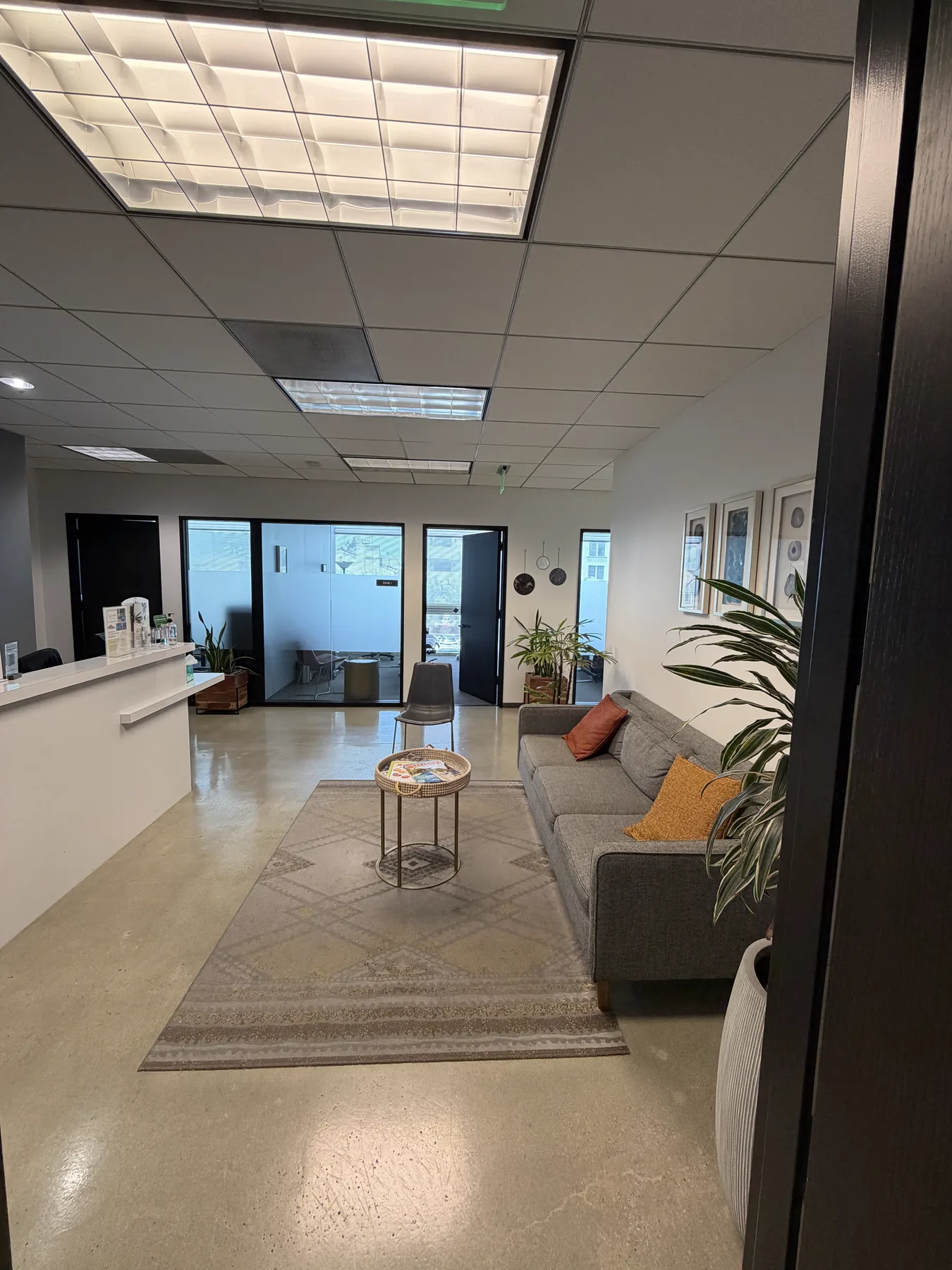
New patient? See answers to common questions or take a look inside the clinic.