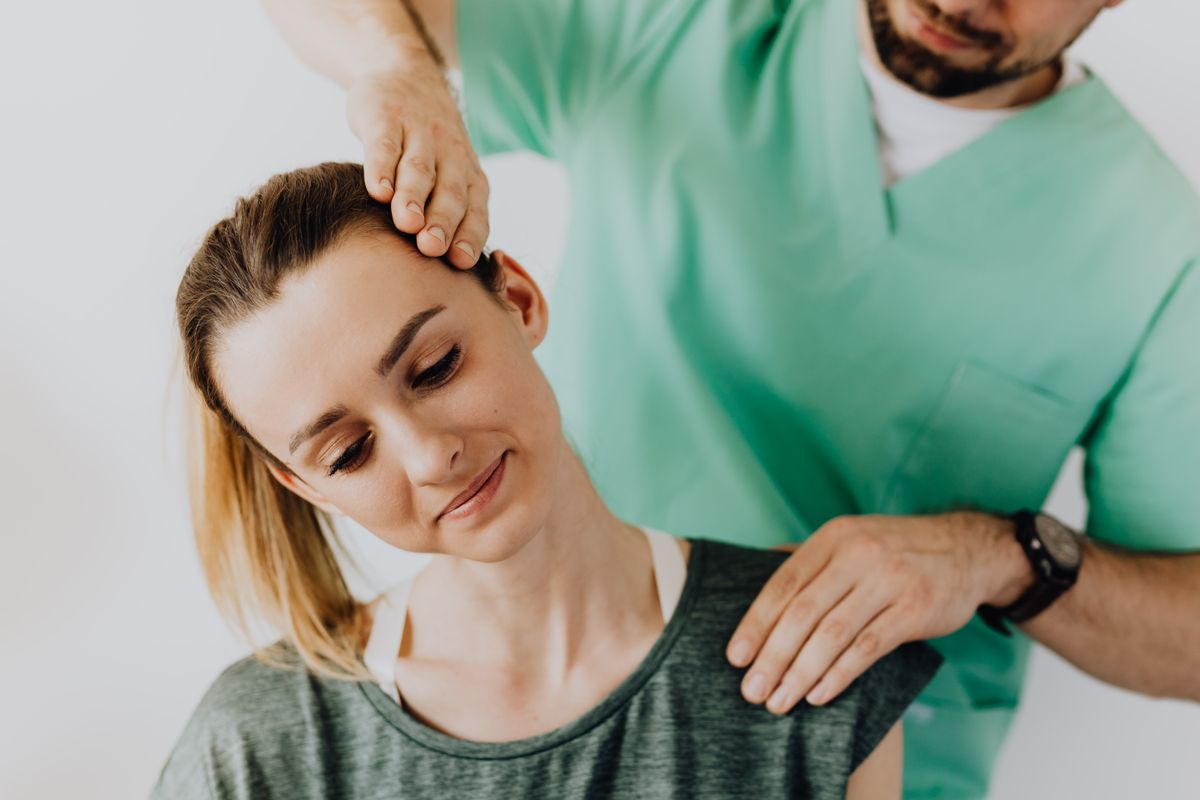
Car accidents move fast, and so does your body's stress response. Adrenaline and cortisol are excellent at masking pain in the first 24 to 72 hours, which is exactly why so many people walk away from a fender-bender feeling "fine" — only to wake up stiff, sore, or foggy a few days later. Here are five signs it's worth having Dr. Nick take a look.
1. Neck or Back Stiffness That Wasn't There Before
Whiplash doesn't require a high-speed collision. Even a low-impact rear-end hit can snap the neck forward and back fast enough to strain the ligaments and muscles supporting the spine. If turning your head or bending over feels tighter or more effortful than usual, that's your body flagging an issue.
2. Headaches That Start a Few Days Later
Tension-type headaches that begin at the base of the skull are common after an accident and are often tied to strain in the upper neck (cervical spine) rather than a head injury itself. If headaches show up in the days after a crash — especially ones that weren't part of your normal pattern — it's worth mentioning at your exam.
3. Tingling, Numbness, or Weakness
Pins-and-needles sensations, numbness, or a heavy feeling in the arms, hands, or legs can point to nerve irritation from the impact. This is one of the signs we take most seriously during a post-accident evaluation, since nerve-related symptoms are easier to resolve the earlier they're addressed.
4. Reduced Range of Motion
If you notice you can't turn your head as far to check a blind spot, or bending to tie your shoes feels restricted, that's a mobility change worth documenting — both for your recovery and for your claim.
5. Pain That Comes and Goes, Then Gets Worse
Soft-tissue injuries frequently follow a pattern: mild discomfort at first, a few good days, then a flare-up as inflammation sets in. If your pain seems to be trending upward a week or two after the accident rather than settling down, that's a signal to get evaluated rather than wait it out.
What Is Whiplash, Exactly?
Whiplash is a soft-tissue injury caused by the rapid back-and-forth motion of the neck, similar to the crack of a whip. During a collision, the head can be thrown forward and then snapped back faster than the neck muscles and ligaments can brace for, straining the tissues that support the cervical spine. It's one of the most common injuries reported after car accidents, including relatively low-speed ones.
Why Some Injuries Take Time to Surface
In the moments after a crash, your body releases adrenaline and cortisol as part of its natural stress response. These hormones are effective at blunting pain signals, which is why so many people feel "okay" at the scene. As those hormones wear off over the following days, inflammation in strained muscles, ligaments, and joints tends to build, which is often when stiffness, headaches, and soreness first become noticeable.
Why Getting Checked Early Matters
Soft-tissue injuries generally respond better when they're addressed early, before compensatory movement patterns or chronic inflammation have a chance to set in. An early evaluation also creates a clear record connecting your symptoms to the accident — something that matters if you later need to file a claim or seek reimbursement for care.
If any of these sound familiar, don't wait for the pain to become constant. Dr. Nick's auto accident exams document your injuries thoroughly — which matters for your recovery and for any personal injury claim — and every plan is built around getting you back to normal as comfortably as possible. See our dedicated personal injury & slip-and-fall care page for more.
Car Accident Injury FAQ
How soon after a car accident should I see a chiropractor?
Even if you feel fine, it's generally a good idea to get checked within the first week or two, since adrenaline and cortisol can mask injury symptoms for several days after a crash.
Can a chiropractor treat whiplash?
Yes. Chiropractic care is commonly used to treat whiplash-associated disorders, focusing on restoring motion and reducing inflammation in the neck and upper back.
Will a chiropractic visit help with my car accident claim?
A documented evaluation shortly after an accident creates a record connecting your symptoms to the incident, which is often important for personal injury and insurance claims. See our personal injury & slip-and-fall care page for more.

Ready when you are
Book your visit today
In-clinic in Sherman Oaks or Glendale, or a house call — Dr. Nick will build a plan around you.
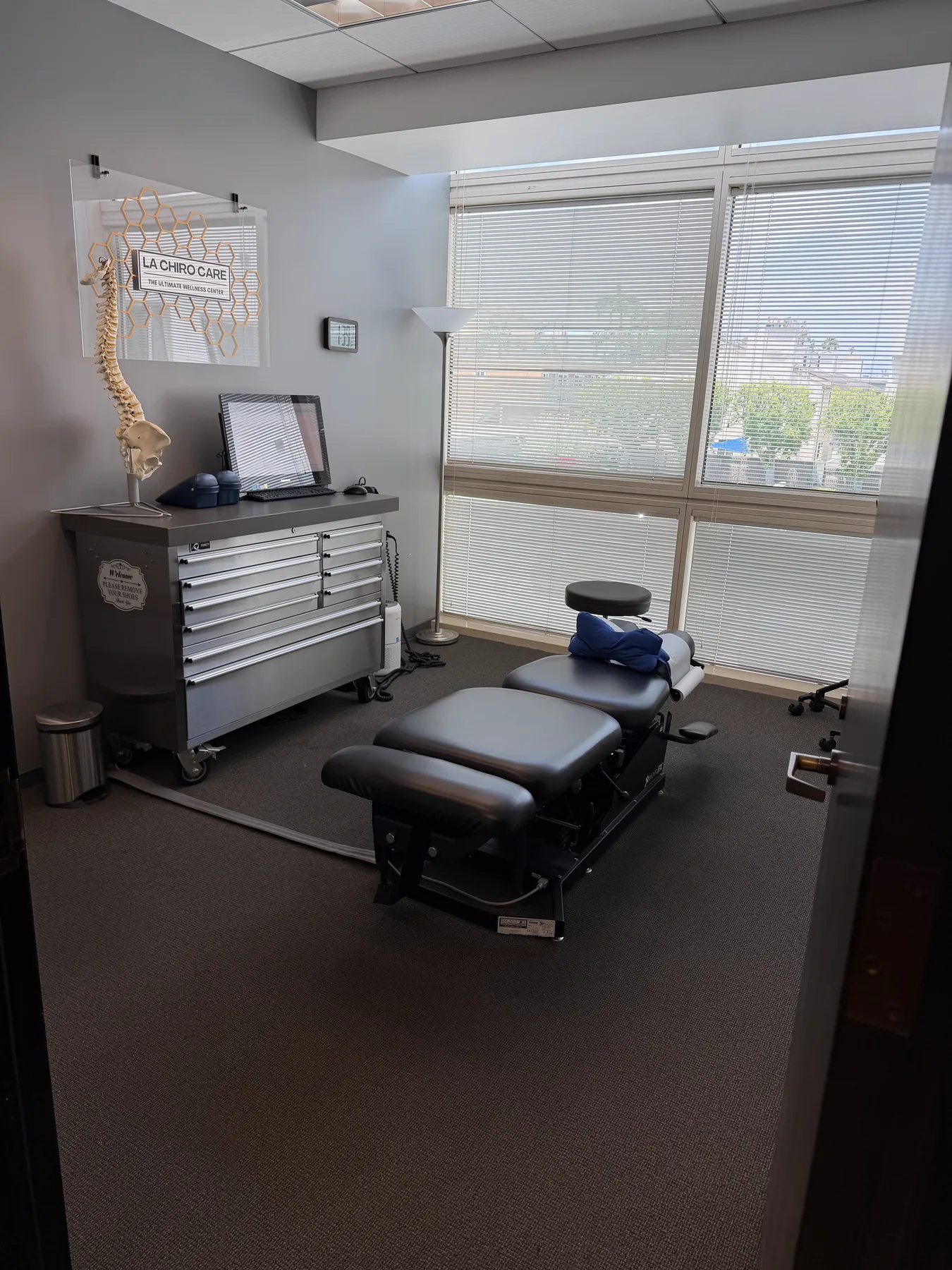
New patient? See answers to common questions or take a look inside the clinic.