
Sherman Oaks and Glendale are full of people who spend eight-plus hours a day hunched over a laptop, and the body keeps a running tally of every one of those hours. Forward head posture, rounded shoulders, and tight hip flexors are some of the most common patterns we see walk through the door.
What Desk Work Does to Your Spine
Sitting for long stretches shortens the hip flexors, weakens the muscles that support good posture, and puts sustained pressure on the discs in your lower back. Add a forward-leaning neck from staring at a screen, and you've got a recipe for chronic tension headaches and mid-back pain.
Why It's More Than Just Discomfort
Poor posture patterns that go unaddressed for years can lead to more significant restrictions in mobility over time. The earlier these patterns are corrected, the easier they are to reverse.
How Chiropractic Care Helps
Adjustments help restore proper motion to joints that have stiffened from sitting, while targeted soft-tissue work addresses the muscle imbalances that got you there in the first place. Most posture-related plans also include simple exercises you can do at your desk.
Small Changes That Add Up
Alongside your treatment plan, we'll often recommend small adjustments — monitor height, a standing break every hour, or a different chair setup — that make a noticeable difference between visits.
Understanding "Tech Neck" and Forward Head Posture
"Tech neck" describes the forward-leaning head posture that develops from constantly looking down at a screen. For every inch the head shifts forward of its natural position over the shoulders, the muscles supporting the neck and upper back have to work significantly harder to hold it up — which is a big part of why desk workers report so much neck and shoulder tension by the end of the day.
How These Patterns Develop Over Time
Posture problems rarely show up overnight. They build gradually as certain muscles — like the chest and hip flexors — shorten from being held in one position for hours at a time, while the muscles meant to support upright posture, like the mid-back and glutes, weaken from underuse. This imbalance is sometimes referred to as "upper crossed syndrome" when it affects the neck and shoulders.
Simple Habits That Support Better Posture Between Visits
Small, consistent habits tend to make the biggest difference: setting a reminder to stand and move every 30 to 60 minutes, positioning your monitor at eye level so you're not looking down, and keeping your feet flat on the floor with hips slightly above knee height while seated. None of these replace treatment for an existing issue, but they help prevent the pattern from creeping back in.
If your neck and shoulders are paying the price for your job, a treatment plan built around your specific posture patterns can help you feel like yourself again. See our dedicated pages on posture correction & spinal alignment and neck pain treatment for more.
Posture & Desk-Job Pain FAQ
Can bad posture actually cause pain, or is it just uncomfortable?
Poor posture that's sustained for long periods can place ongoing strain on muscles, joints, and discs, which over time can contribute to real pain and stiffness, not just discomfort in the moment.
How long does it take to correct posture-related pain?
It varies based on how long the pattern has been present and how consistent you are with both treatment and any at-home changes, but many patterns start to improve within a few weeks of addressing the underlying imbalance.
Can posture correction be done without a desk job change?
Yes. While ergonomic changes help, most posture correction plans focus on restoring joint motion and rebalancing the muscles involved, which can be done regardless of your work setup.

Ready when you are
Book your visit today
In-clinic in Sherman Oaks or Glendale, or a house call — Dr. Nick will build a plan around you.
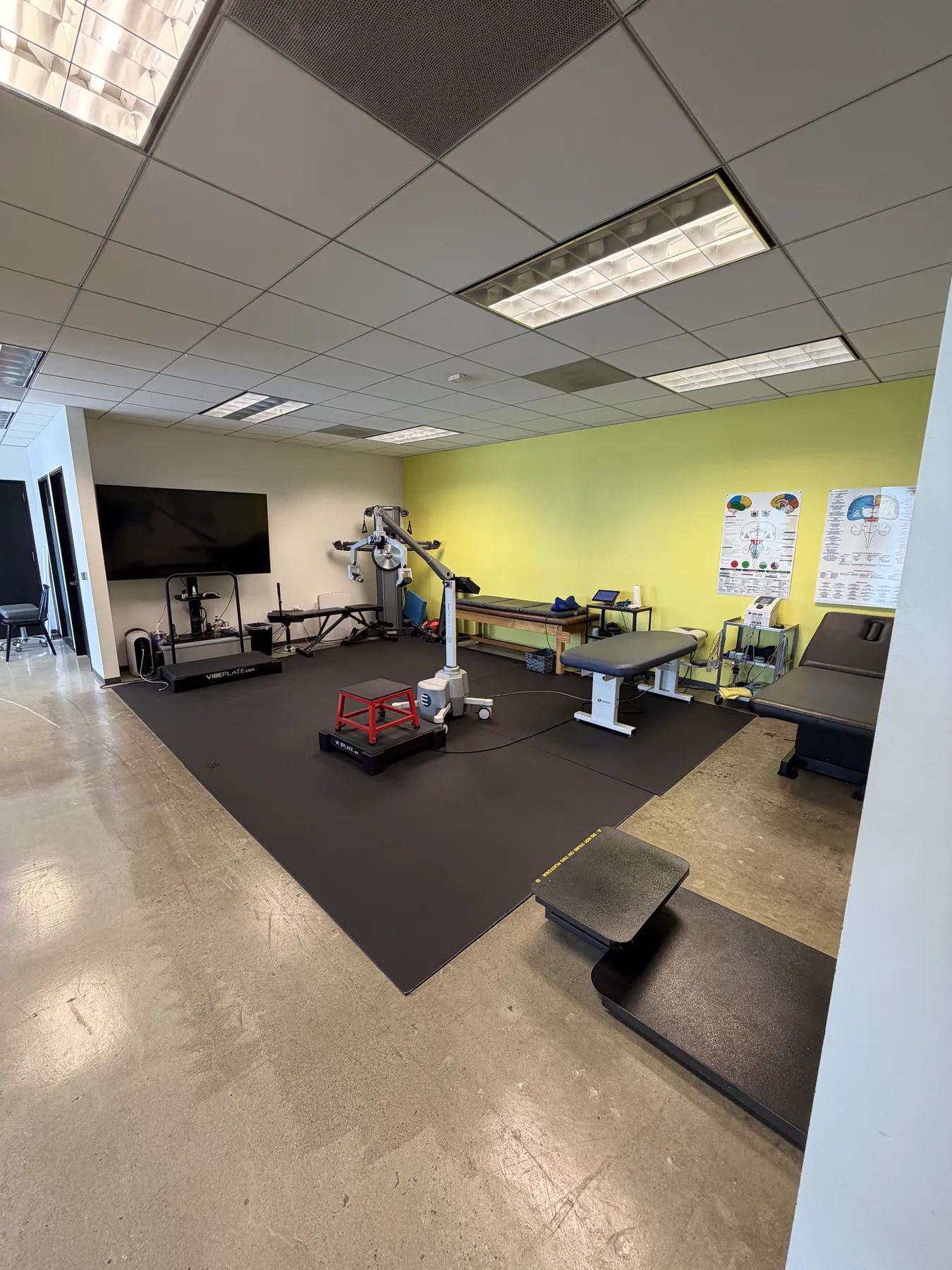
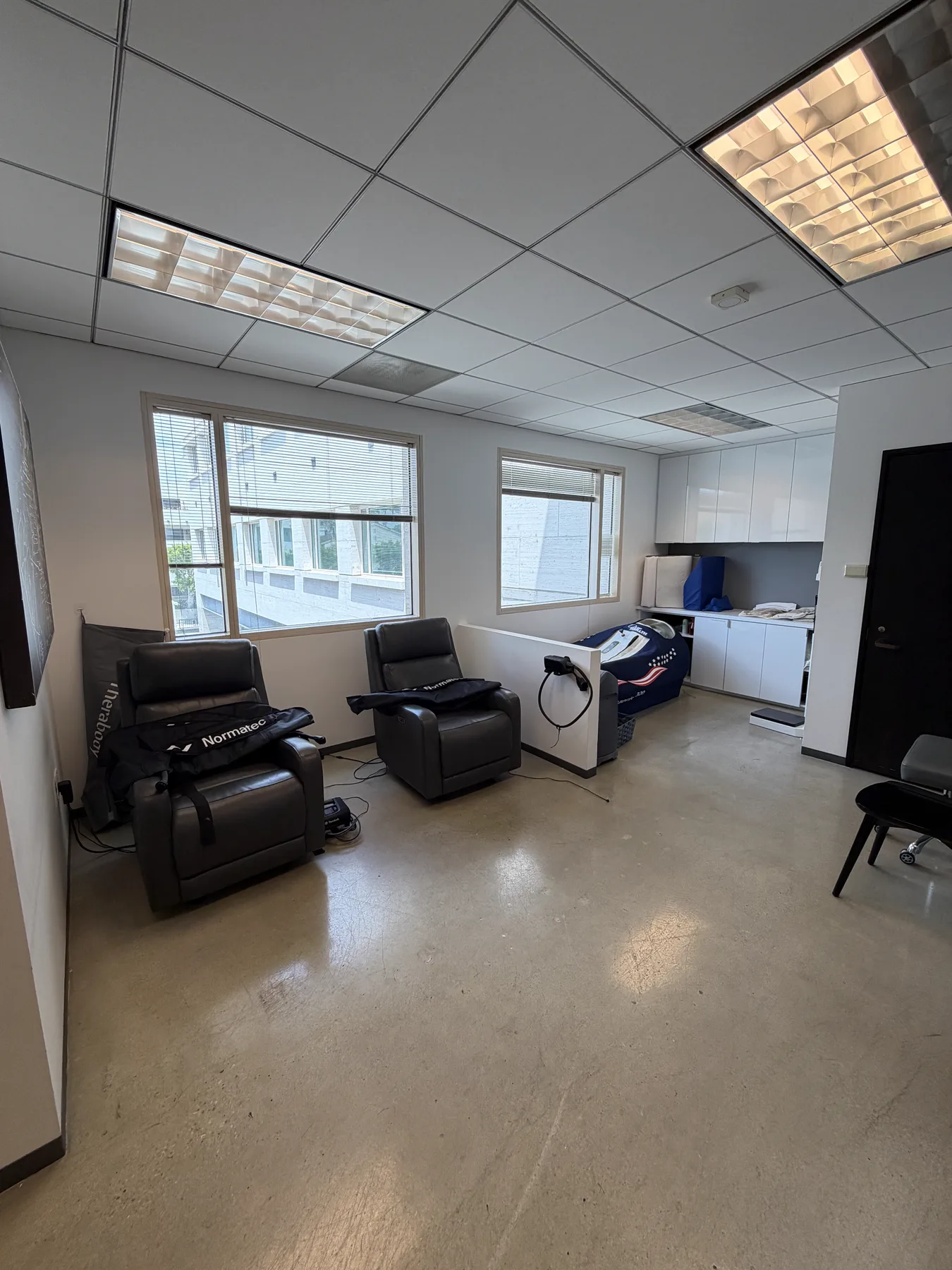
New patient? See answers to common questions or take a look inside the clinic.